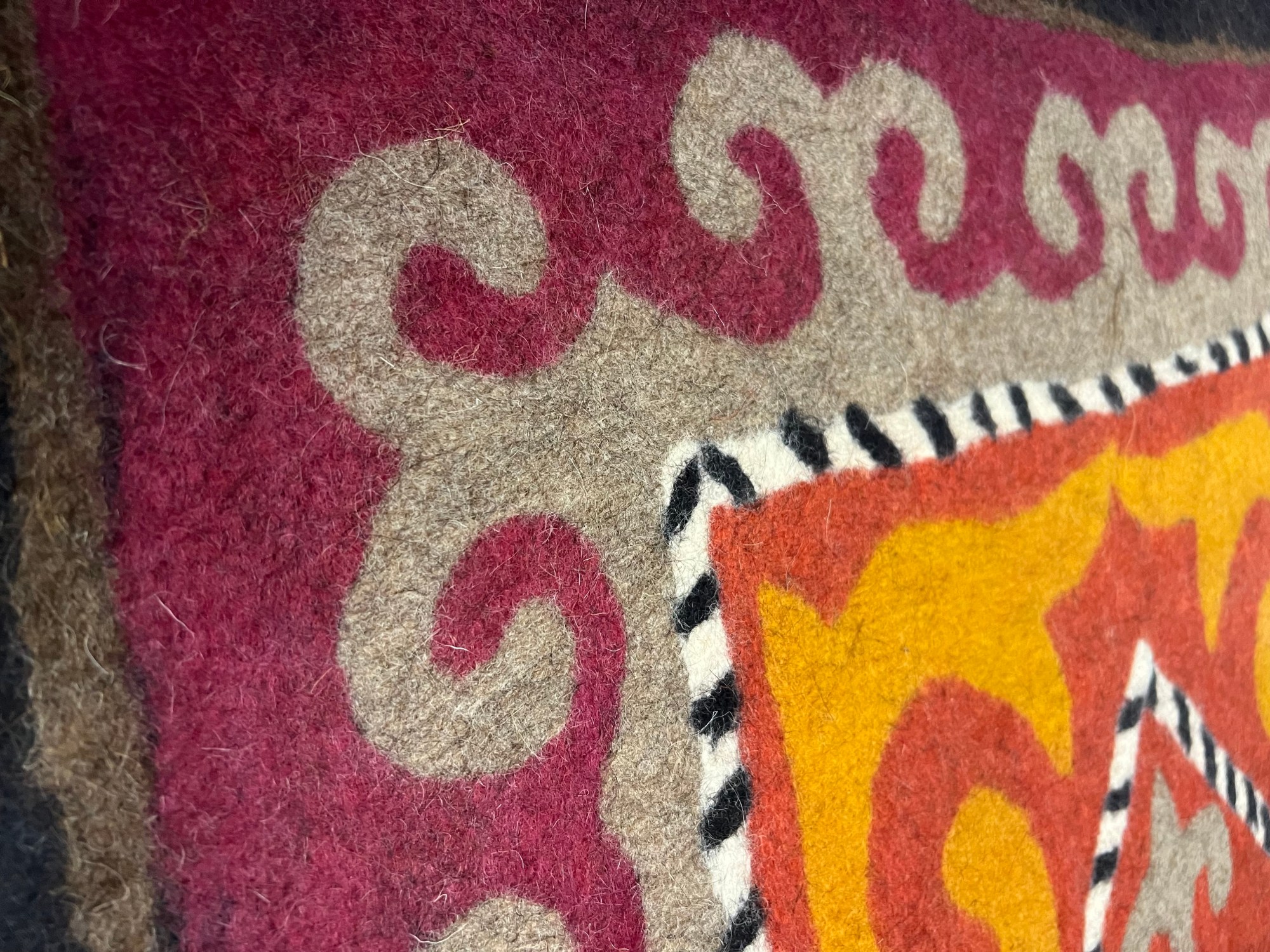
I recently had the opportunity to join textile artist and felt maker extraordinaire, Janice Arnold, for a week in DC to assist with the “Soul of Tengri” program at the Smithsonian Folklife Festival. So much happened on that trip that I decided a blog post was in order to share the experience with others.
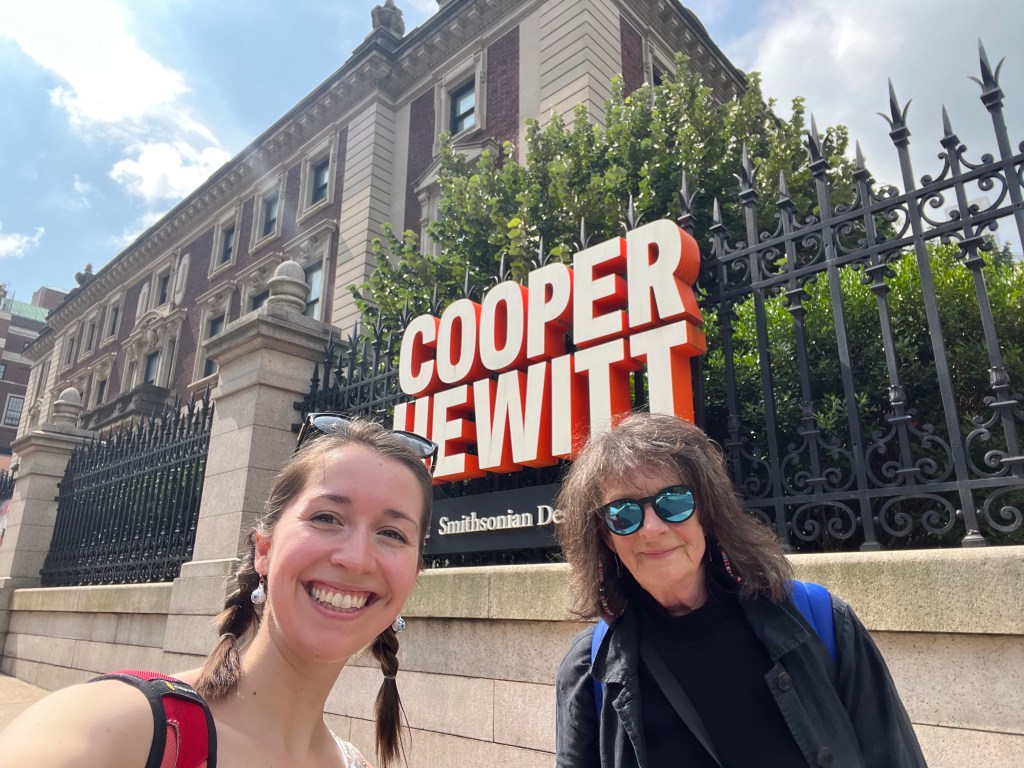
We flew out on a red eye from Seattle arriving into New York around 6am. Taking our time getting to the city, our main goal was to find a place to store our bags and then head to the Cooper Hewitt. The day we arrived was the opening day of the exhibition “A Dark, A Light, A Bright: The Designs of Dorothy Liebes” curated by Susan Brown. It was a beautifully executed display of early-mid century weavings for a variety of industries. The emphasis was on the design work of Dorothy Liebes who was a powerhouse in the industry, working with all the “big name” male designers of her time such as Frank Lloyd Wright, Edward Durell Stone, Gilbert Rohde, Marcel Breuer and Samuel Marx.


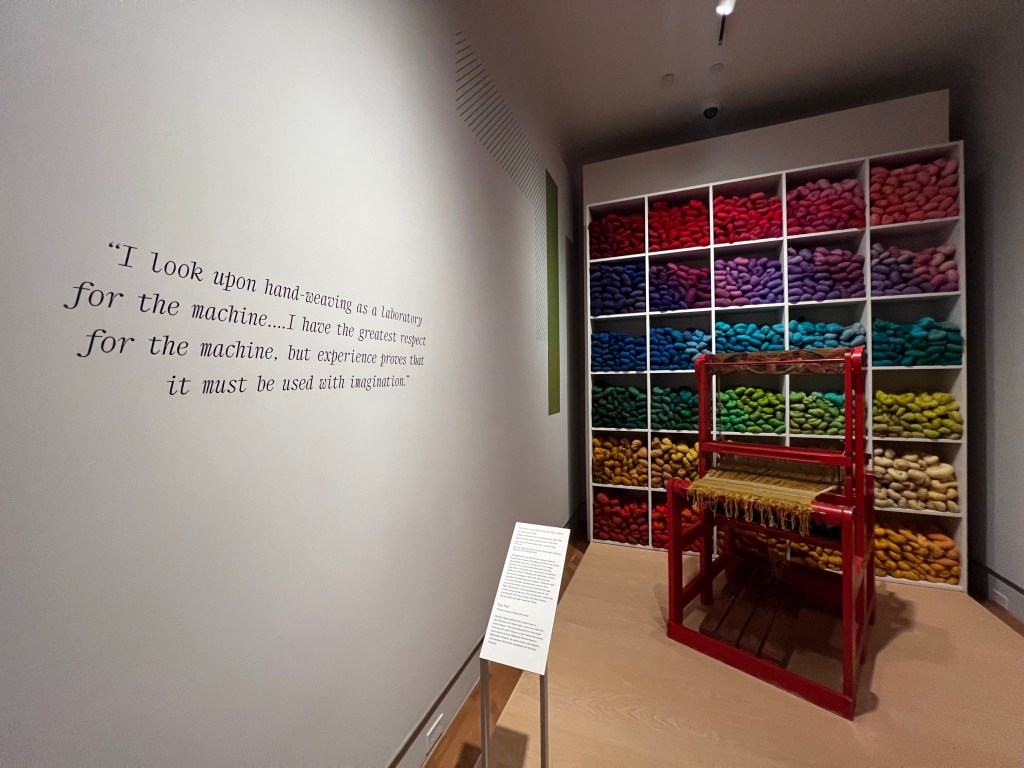
Some things that stood out to me from the exhibition were…
Looms – the small red one was made in San Francisco and used by Liebes to make samples. I think the one in the photo on the left was also hers and looks so epic with that carved ram on the side castle of the loom 🙂


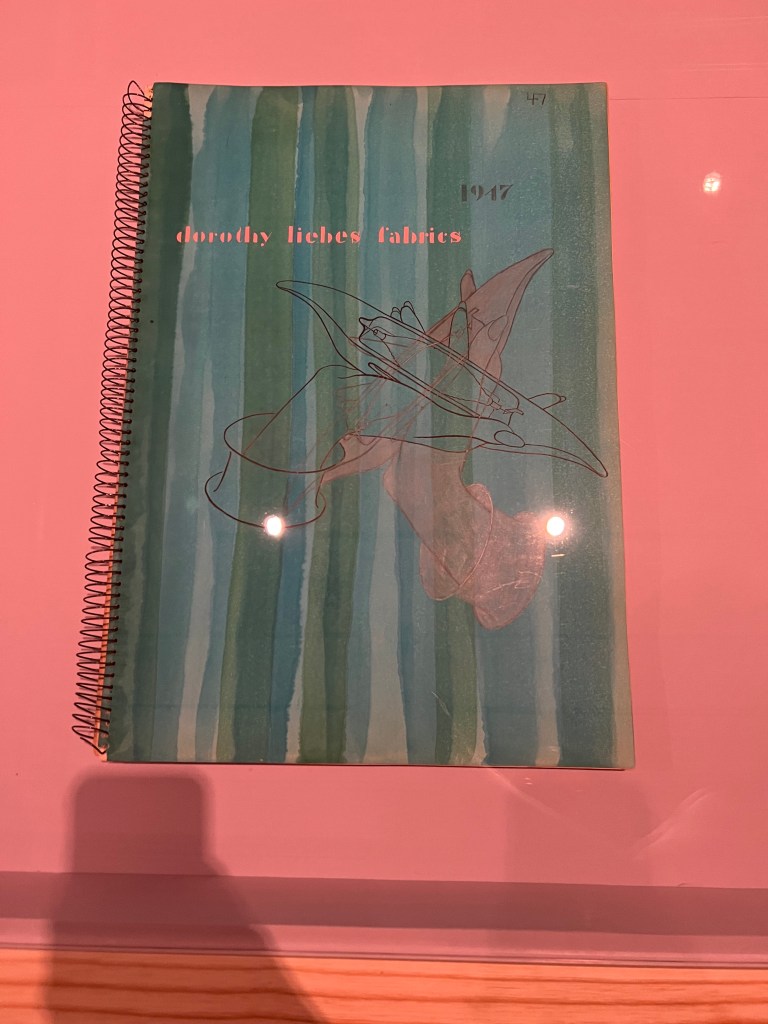
Awesome notebooks (& cover illustrations)

The shiny, innovative fiber, Lurex, was mentioned at length in the show in relation to Liebes and her name but I wondered what the environmental ramifications of this fiber were/are? The corresponding book for the exhibition (linked here) may have touched on this but I saw no noticeable mention of it throughout the show.

Lastly, and a bit sadly, the fiber used in the weavings looked oddly cheap and, therefore, not luxurious to my 2023 eyes. I think we have come, or are almost to a place in textile history where synthetic fibers, while still dominant, are no longer a luxury but rather associated with fast fashion, cheap production and environmental waste. Overall, though, a beautiful little show that I’m happy to have visited.
Downstairs, at the Give Me A Sign exhibition, I contributed some “symbols” for making felt.

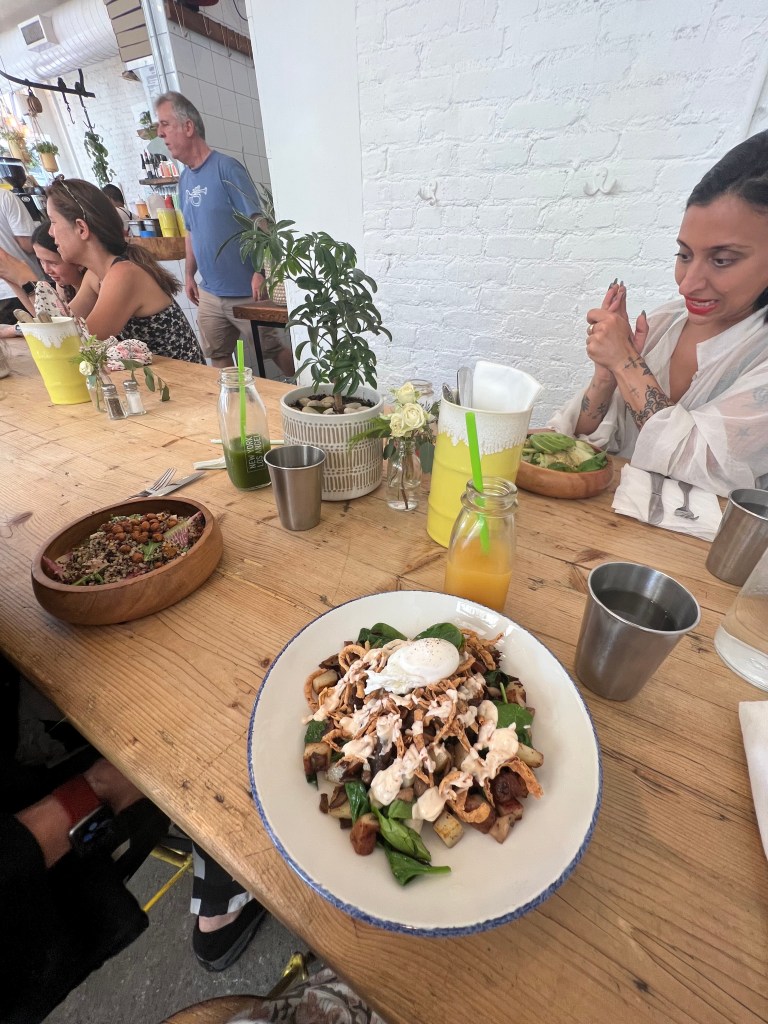
After the exhibition, we hopped on the subway to SoHo to have lunch with my coworker, Cara, at the Butcher’s Daughter – delicious! And then visited her studio to see what will hopefully be our new dye machines for work (🤞). Afterwards, we stopped by a unique art space called Amant to cool off before heading back to Penn station. Then we took the train to DC, only about a 3-hour train ride, which gave me ample time to finish the baby blanket I was crocheting!

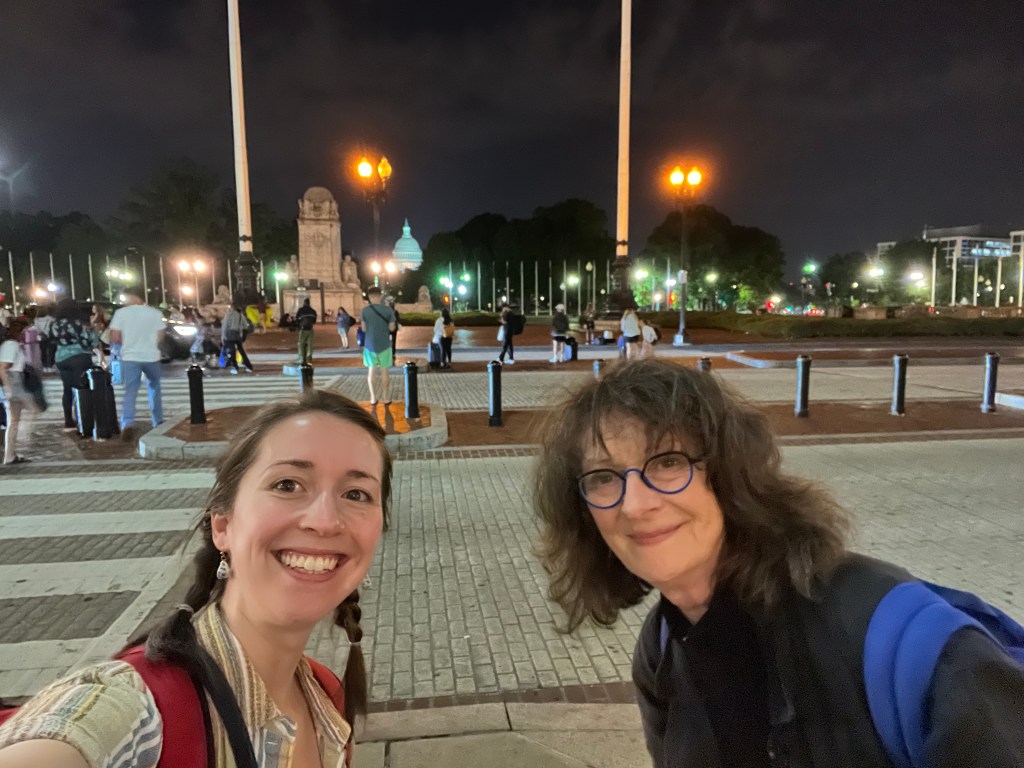
Saturday, July 8…
Our first day was much more eventful than I had anticipated, however, I’m beginning to learn that that is almost always the case when traveling with Janice. I think some people have a special energy that makes them more susceptible to unique and serendipitous happenings than most.
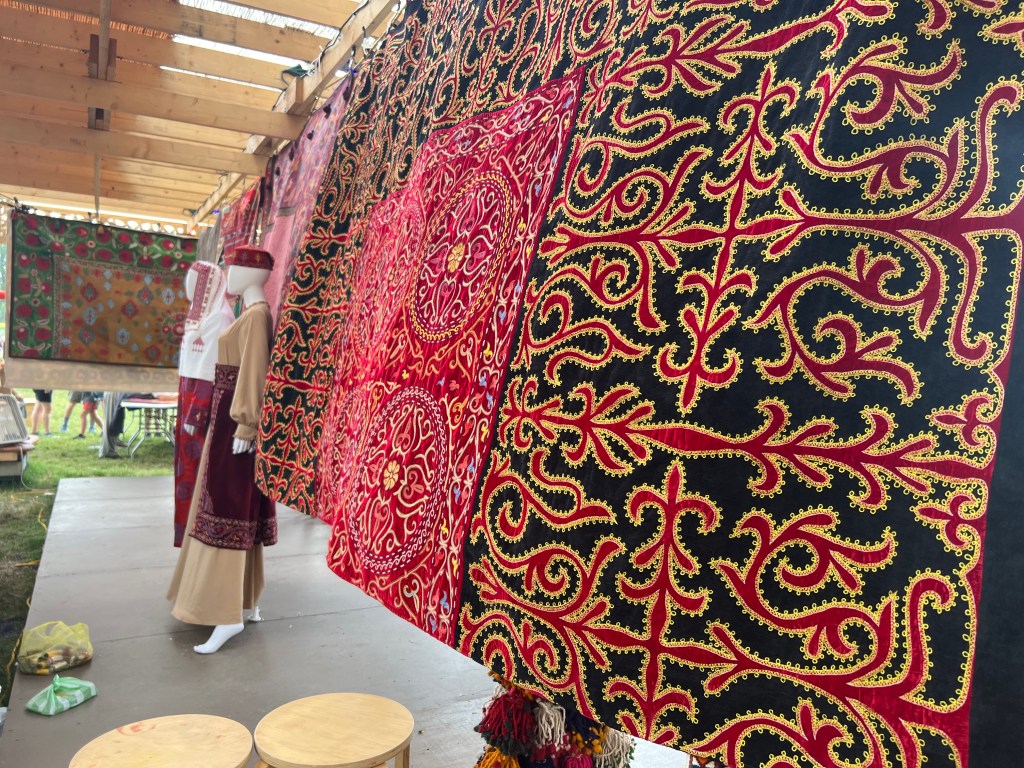
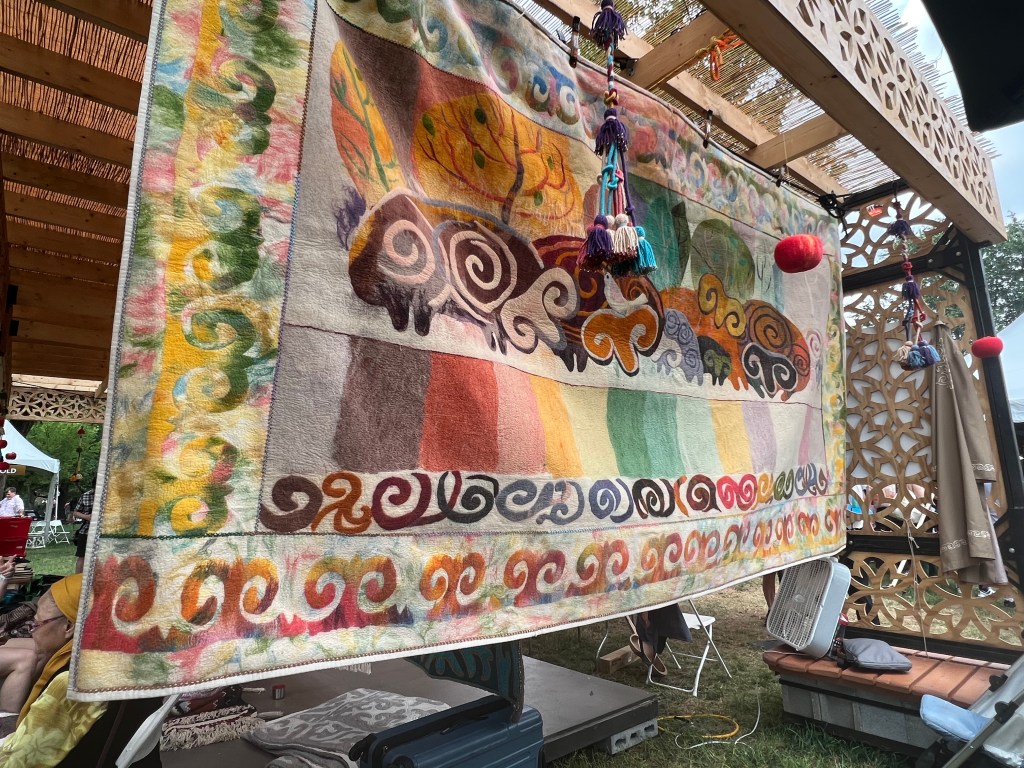
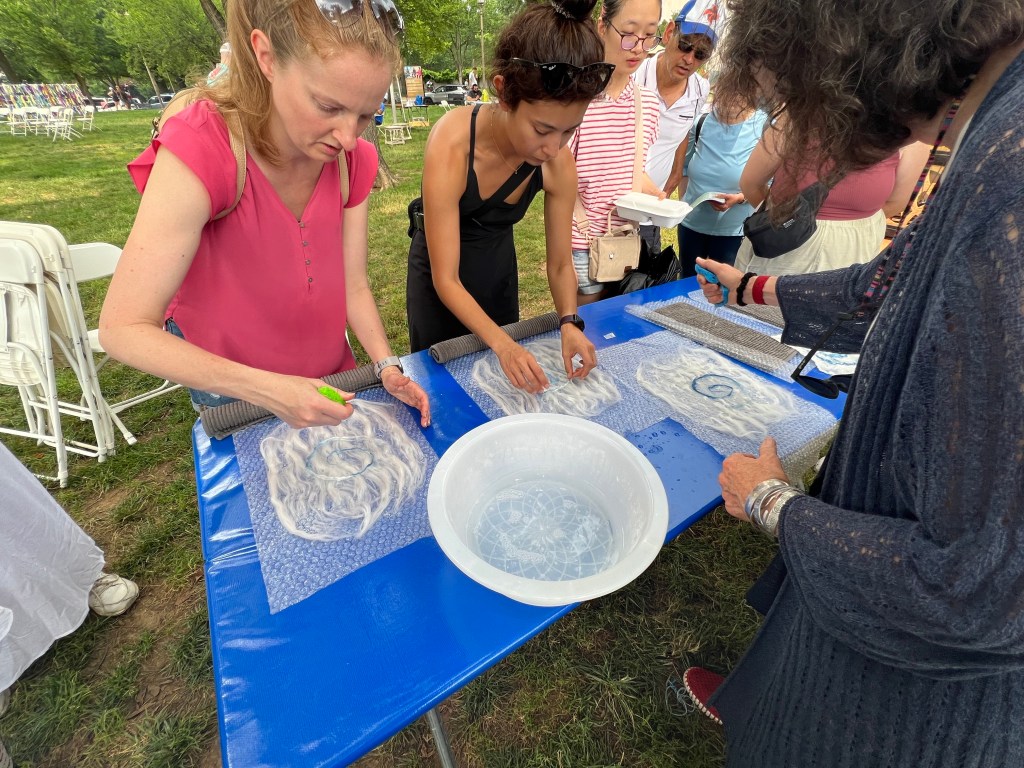
Around noon, we arrived at the National Mall, the location for the Smithsonian Folklife Festival. We said “Сәлеметсіз бе” (hello) to the Kazakh artisans and then went to the table where Aizhan Bekkulova was making felted wool balls – a deceptively difficult task! Near her, we noticed some unused tables and decided to do a “dress rehearsal” for our Sunday workshop. This simple “rehearsal” quickly turned into a full-on felting workshop, complete with interactive felt demo. The audience was eager to learn how to make Janice’s “Featherweight Felt”, just one of her modern felt making techniques that is rooted in a traditional process.
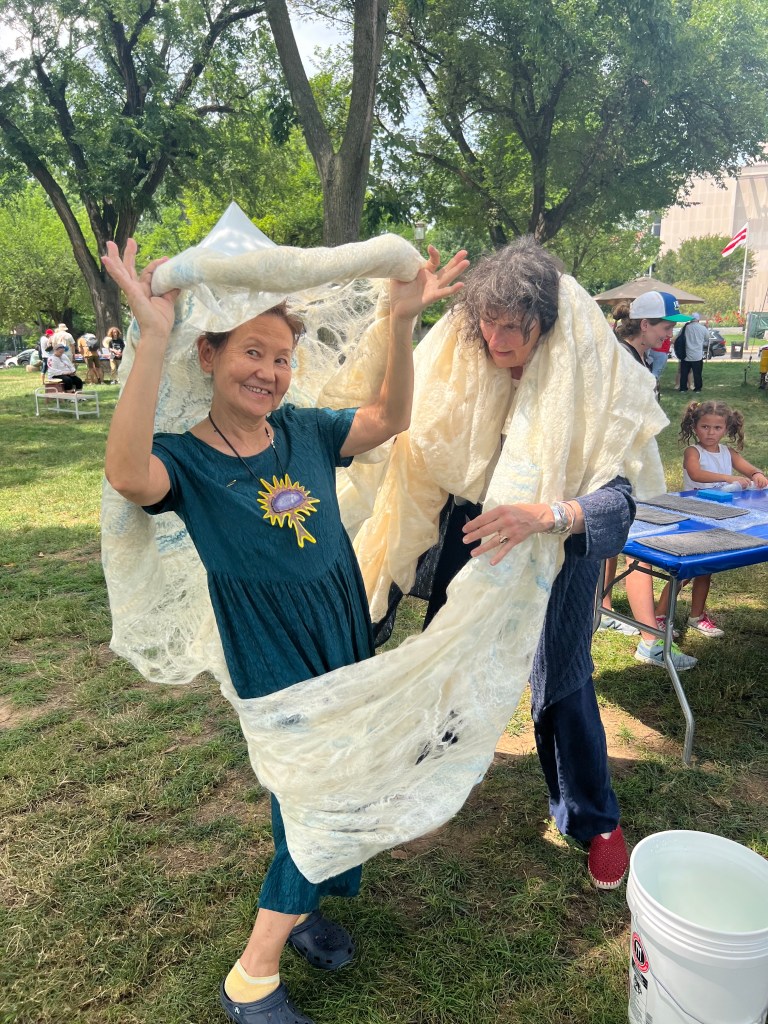
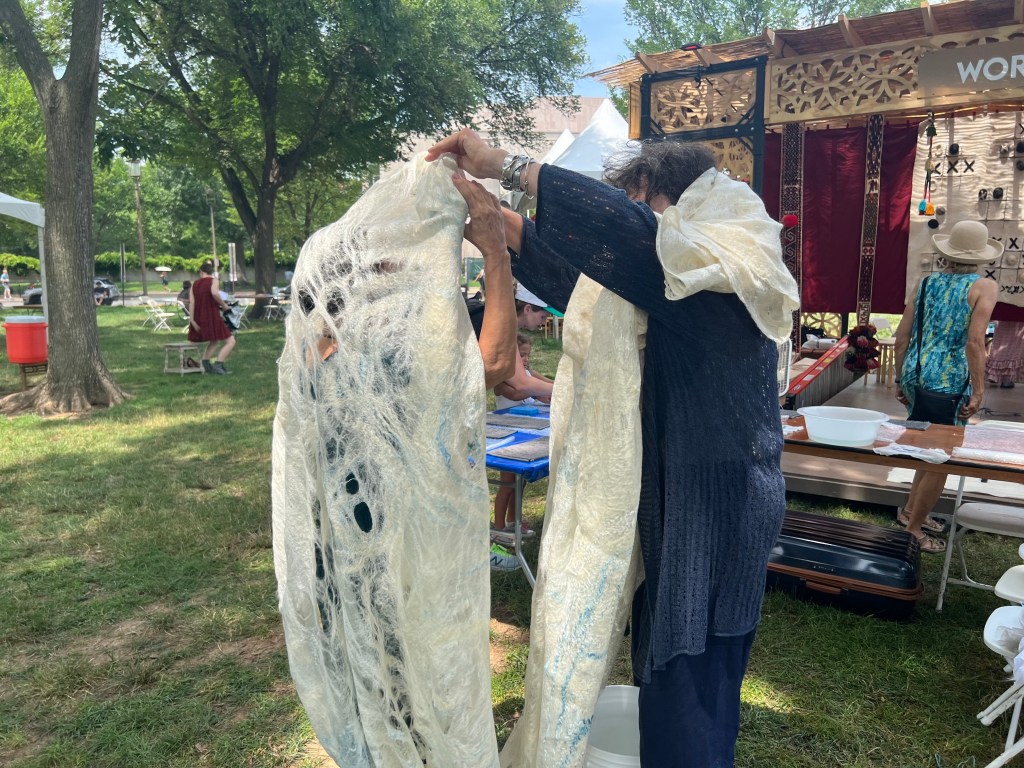
About midway through our workshop, Janice got out a large piece of featherweight felt from her Cave of Memories installation to use as an interactive art piece with the public. We unrolled the felt and saturated it with water for a time. Then proceeded to dry it out with the help of the public. Wool felt enjoys being wet, it gives breathe to it and brings out its natural luster.
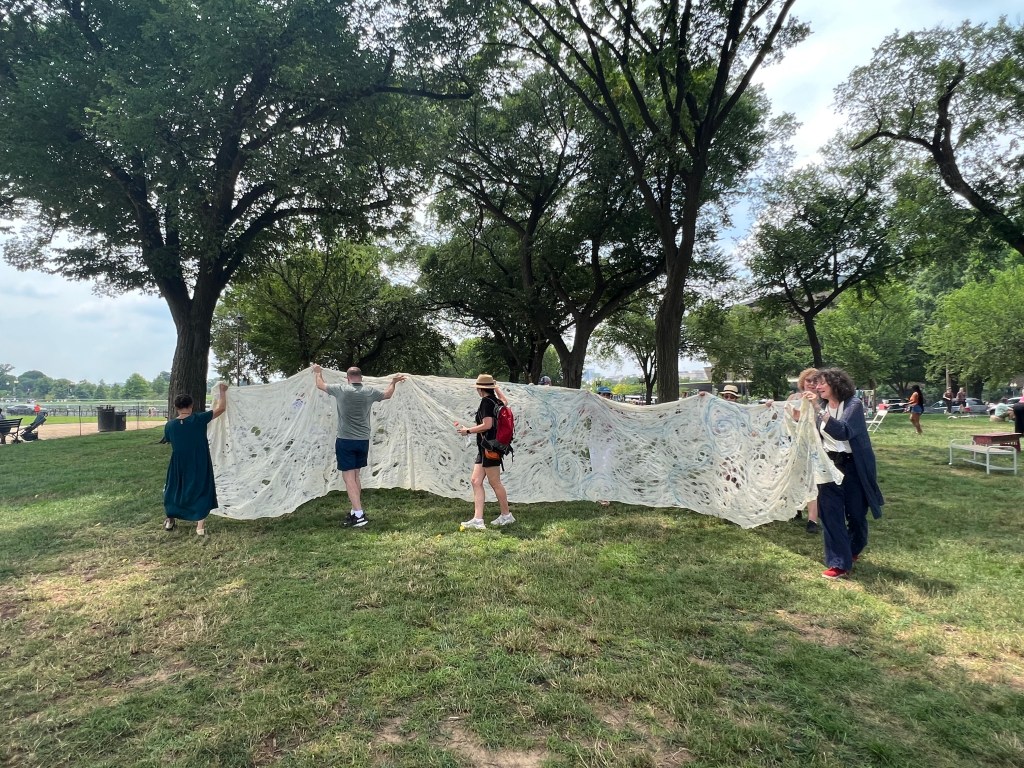
We had to close down a little early this first day due to safety concerns about the oncoming thunderstorms. Exhausted, we ended the night with a big Italian dinner at Carmine’s in Penn Quarter.
Sunday, July 9…
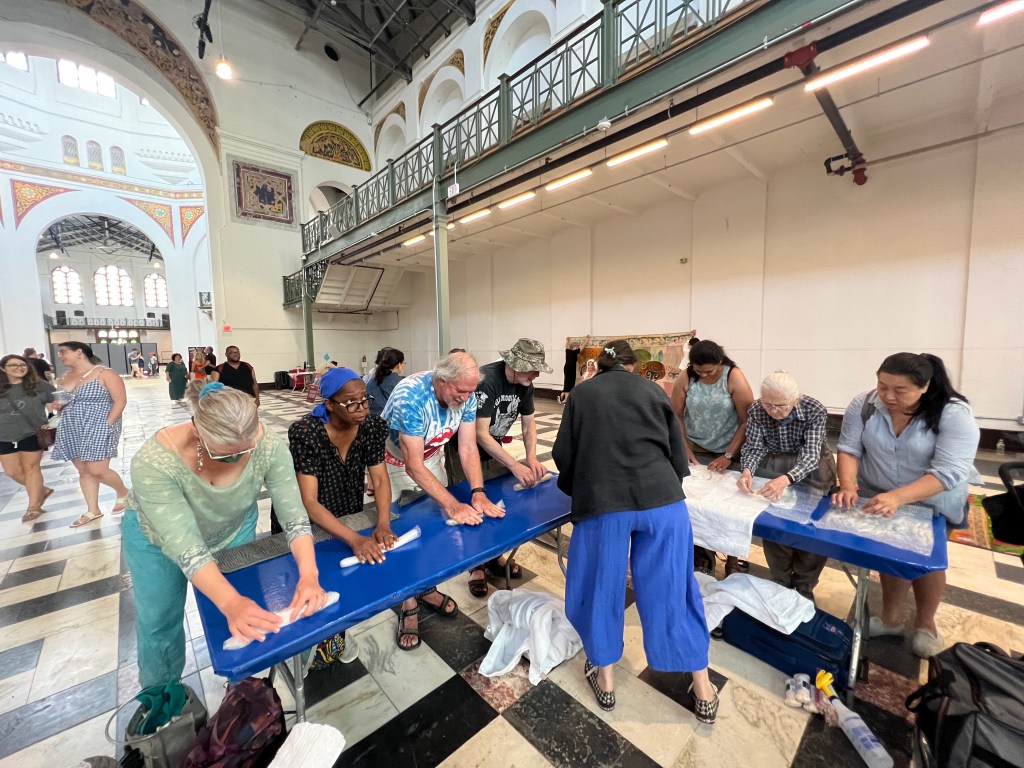
Due to continued concerns about thunderstorms, the Soul of Tengri program moved into the Smithsonian Arts + Industries Building, which, at the moment, is typically closed for visitors. It’s a beautiful building and proved a nice reprieve from the humid 90F days outside thanks to its well-functioning a/c system.

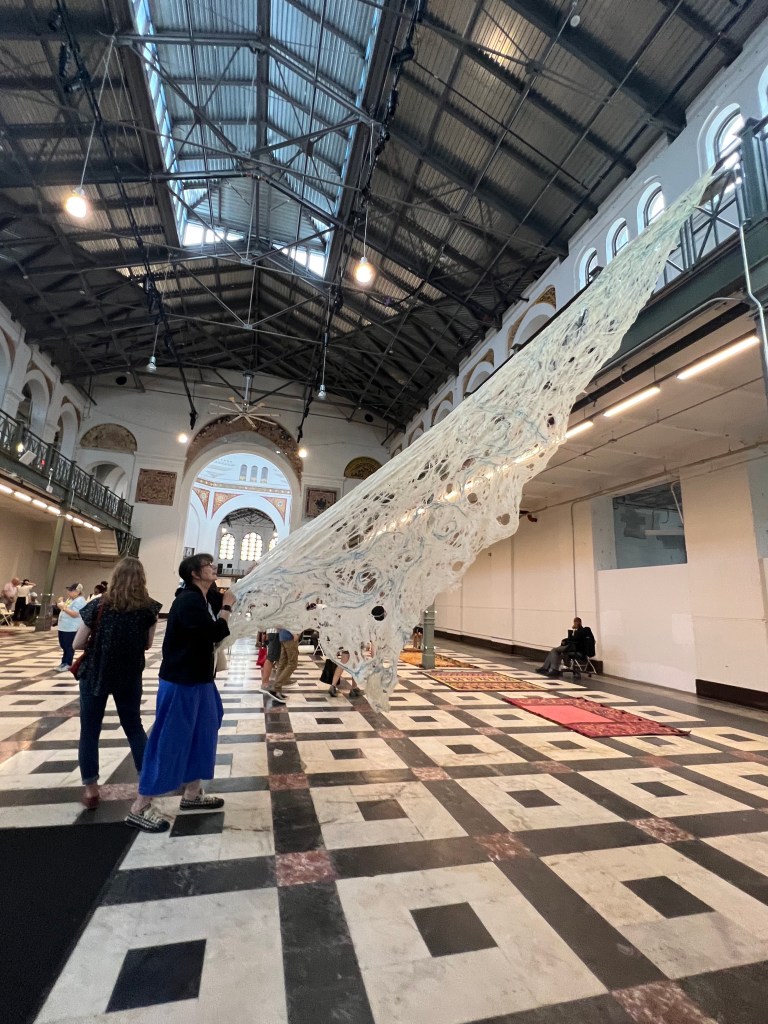
Today’s workshop went similarly to Saturday’s but did not last nearly as long. We could have easily continued our workshop for another couple hours due to interest. There was even a line forming around the table. However, Janice and Aizhan had a panel discussion to lead in another building about 10 minutes away – so we promptly packed up the workshop and headed to the Museum of the American Indian via golf carts in the pouring rain.

On the way to the lecture, I took a POV video while riding in the back of the golf cart but sadly am unable to upload it here. Below was our post panel photo-op, riding back to the previous building with the Capitol in the background and large suitcase of felt in hand.

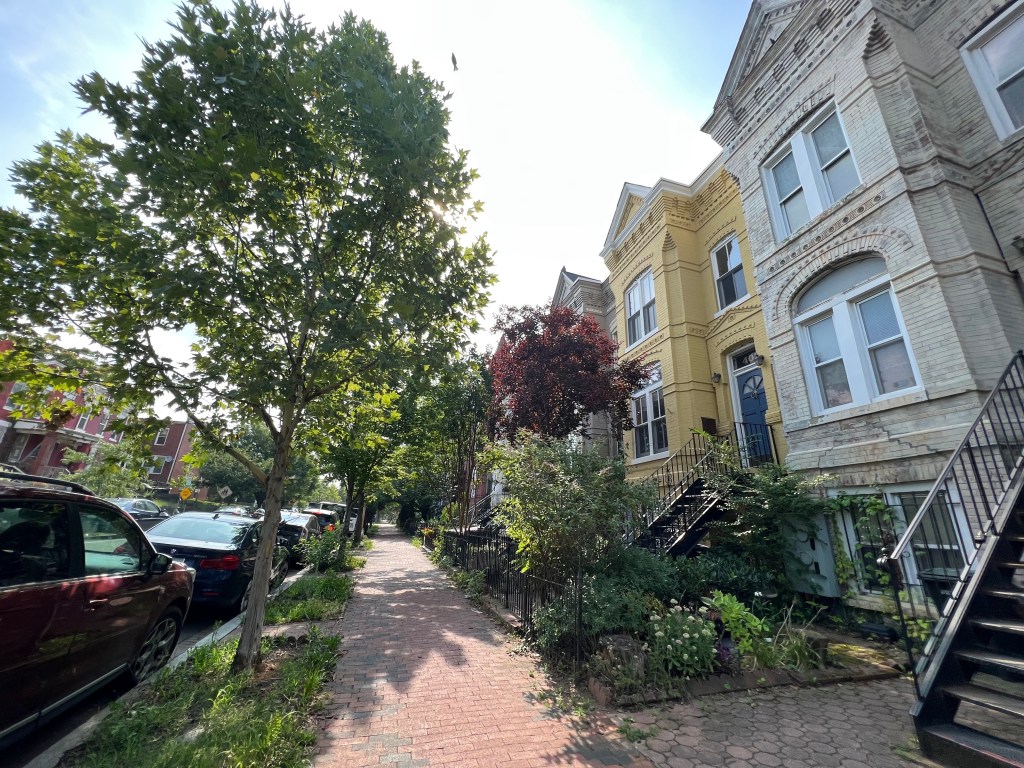
We took a rest at our Airbnb for a few hours before heading north via subway to the suburbs of Maryland where we were invited to a Kazakh house party hosted by our new friends.
Janice bought a wonderful handmade hat by Sultan Tilek
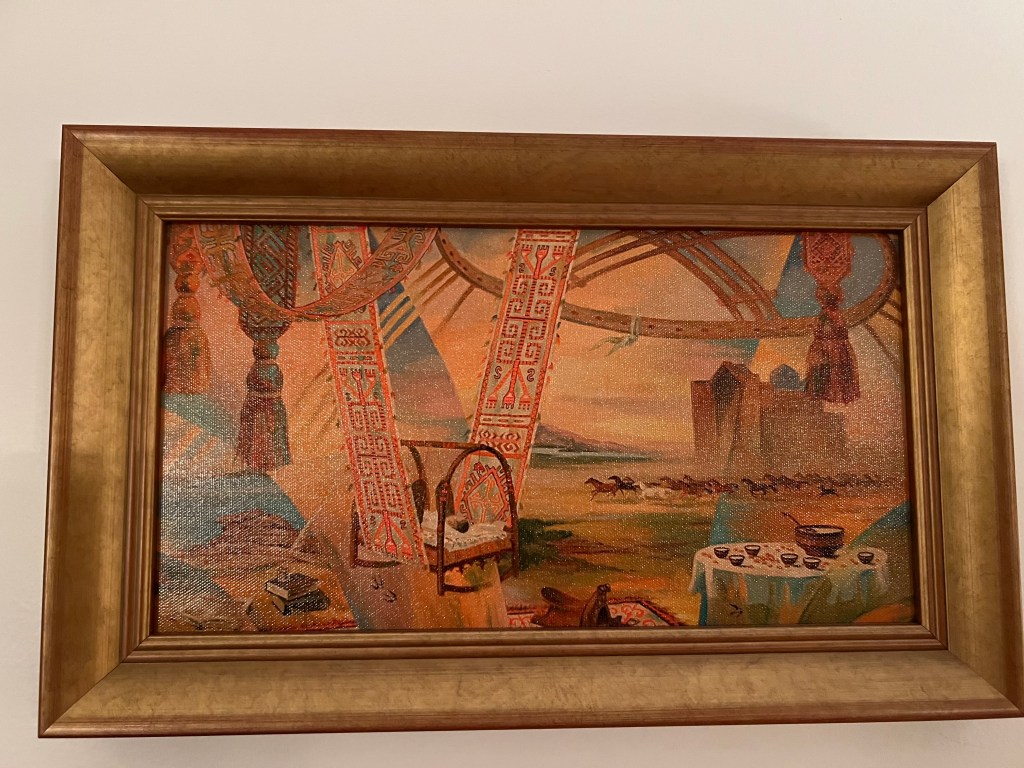
There was some beautiful Kazakh art and felt on the walls – I found this painting particularly interesting by Kazakh artist, Madikhankal Makhanov.
Monday, July 10…

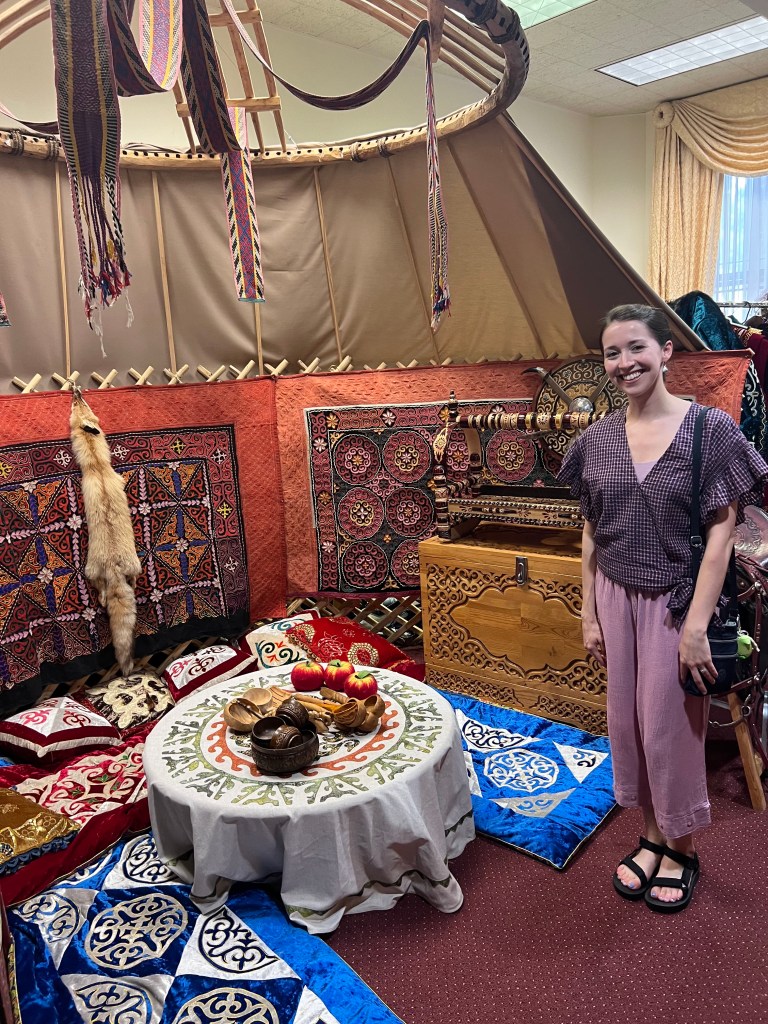
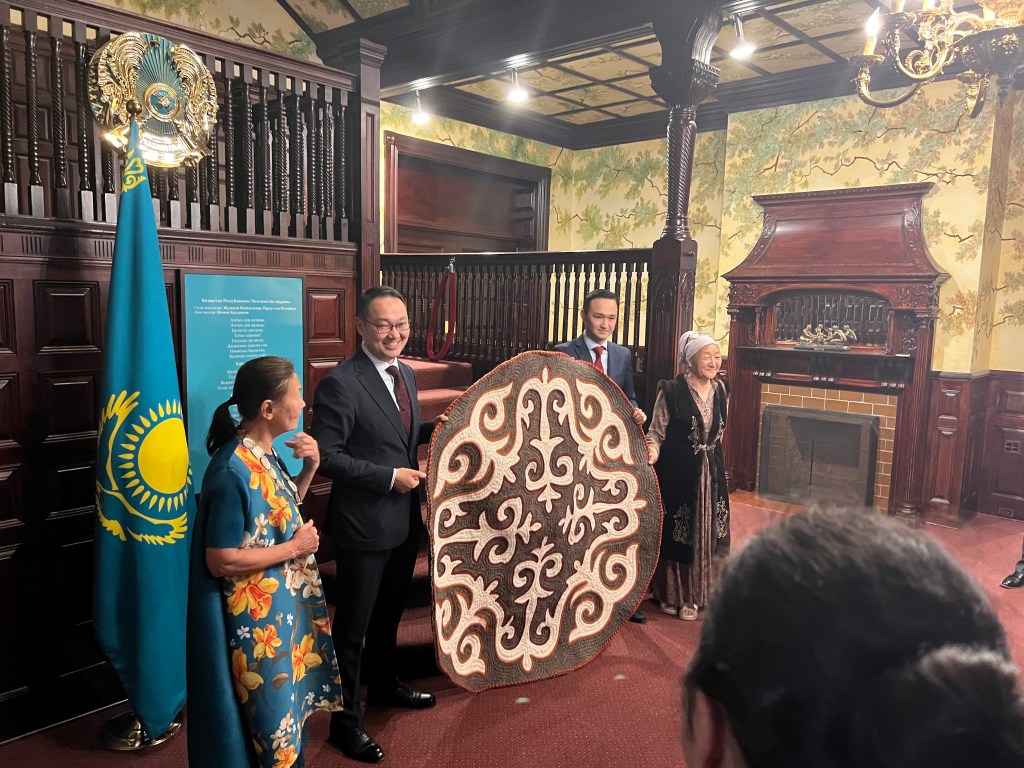
Today offered an exciting opportunity to visit and have lunch at the Embassy of Kazakhstan and meet the current ambassador, Yerzhan Ashikbayev. The Union of Artisans of Kazakhstan presented a handmade felt rug and other gifts to the ambassador. There was a room of traditional Kazakh art, objects and clothing. The meal was a healthy balance of vegetables, potatoes, meat, fish and breads. I didn’t want to be impolite so I abstained from taking too many pictures other than when I felt (hah!) it appropriate to do so. The ambassador was rather engaging and enthusiastic about supporting the Kazakh artisans’ mission of spreading awareness and appreciation for their craft in the United States.
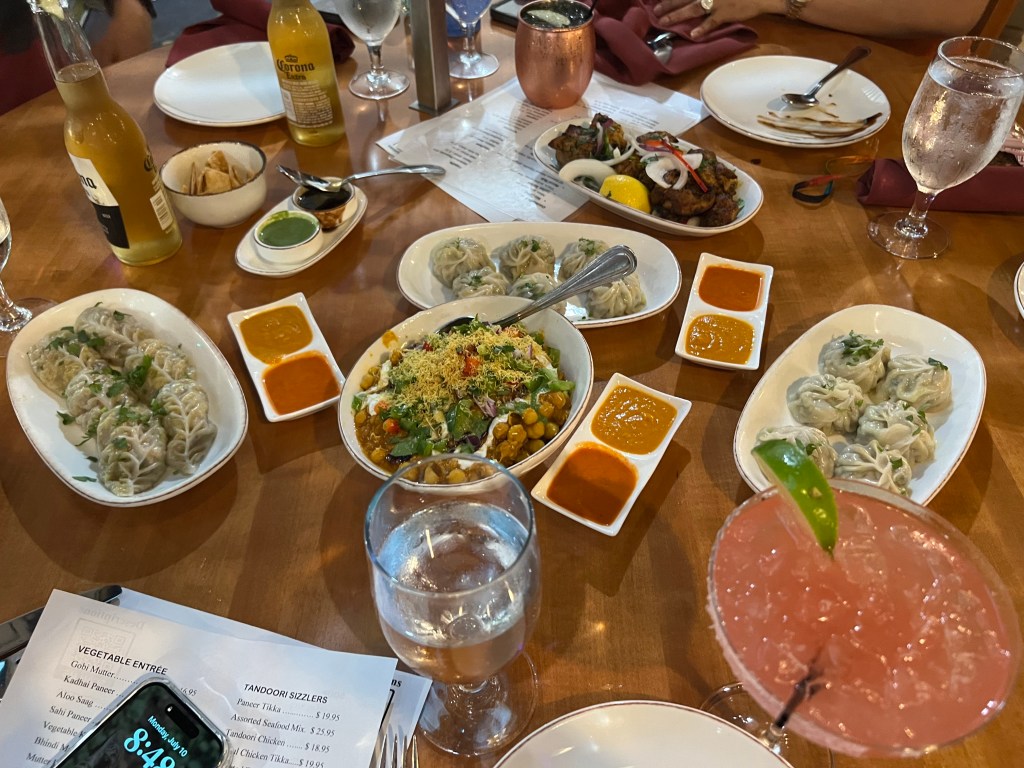
Later, we had a quick debrief about our meeting at the embassy with Aizhan and associates at their hotel before going out to dinner with an old friend of Janice’s in Maryland. Delicious Nepelase/Indian restaurant where I had my first momos (Nepalese dumplings)!
Tuesday, July 11…

More serendipitous adventures awaited us on Tuesday! We began the day at the library at the George Washington University Textile Library, located inside the GWU Textile Museum. We only had an hour and half to spend there, which we quickly found was FAR too little time, despite the library’s compact size. However, we ultimately walked away with some new and useful leads for our research.
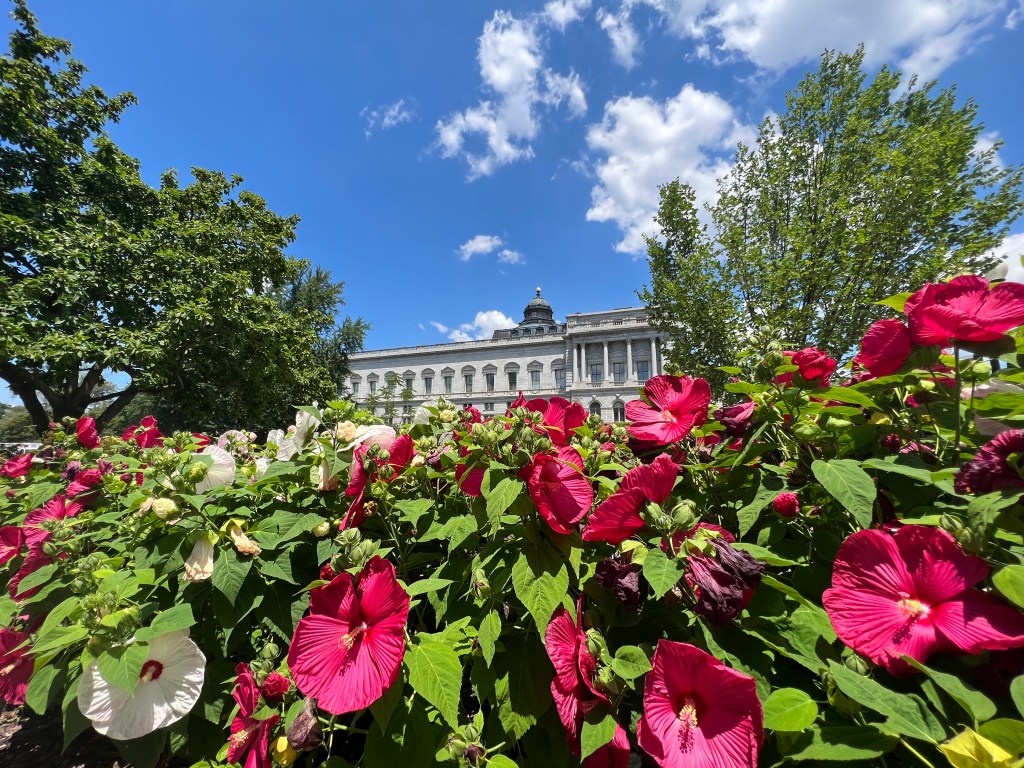
A few days prior, an old college friend, Kelli, who now works at the Library of Congress had reached out to me via email and I seized the opportunity to meet up! We had lunch and she gave us a tour of the preservation labs – such a cool opportunity and we could have been there all day learning about the different equipment and projects she is involved in…. But alas, only had an hour to spend.


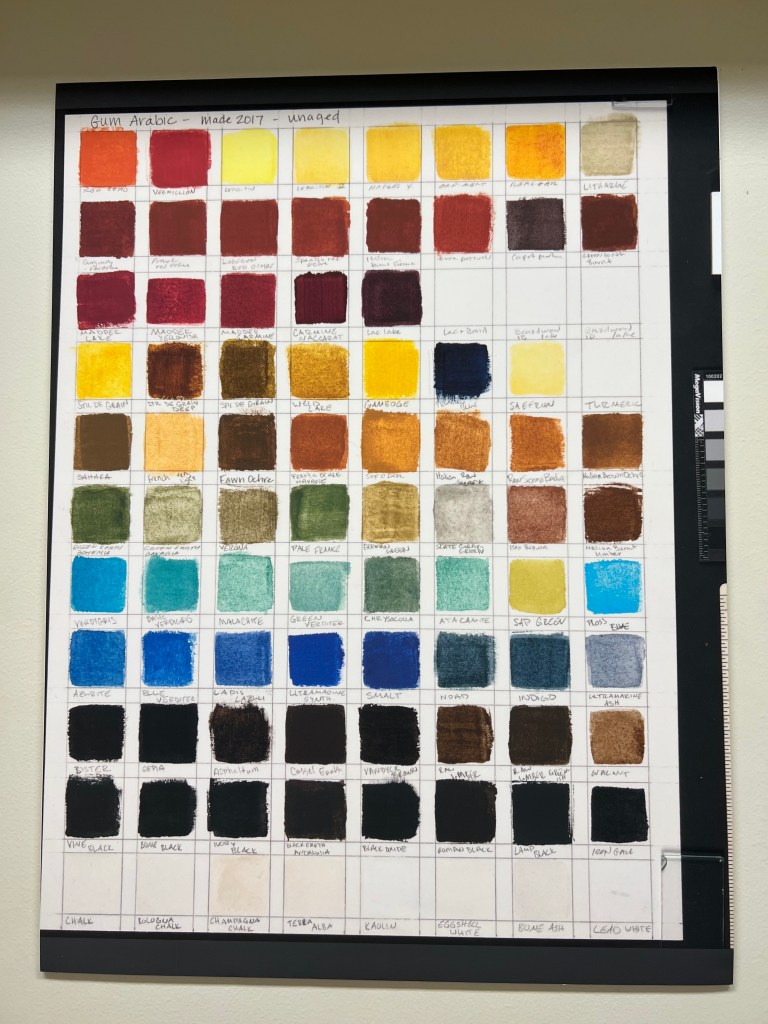

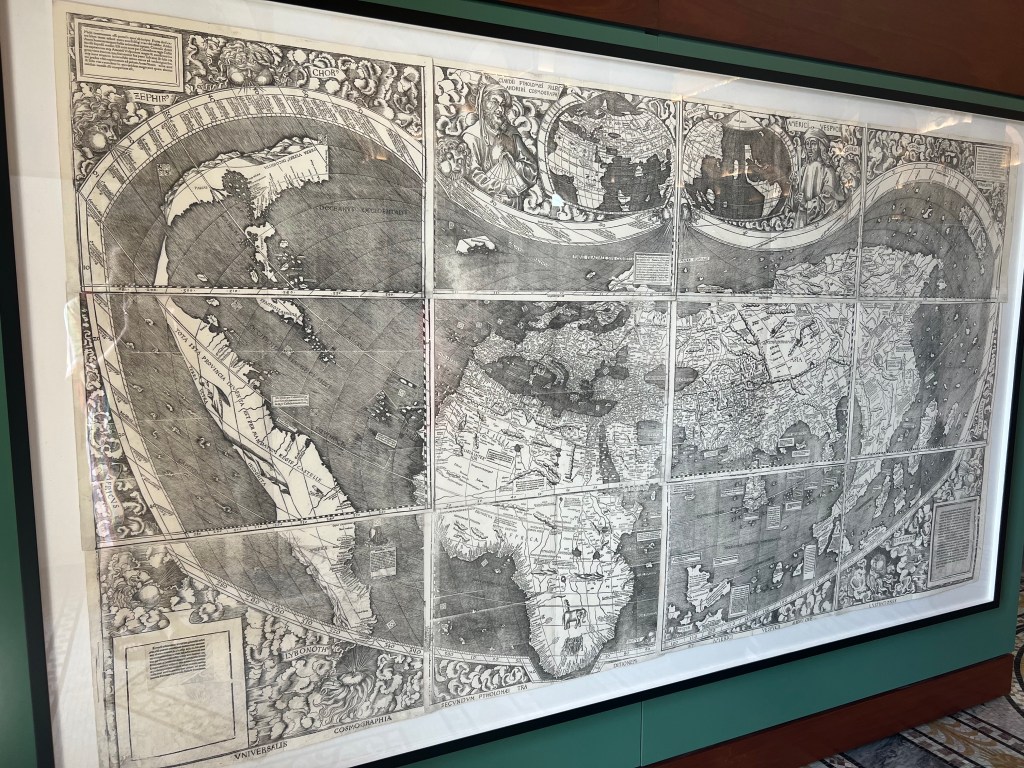
When our tour was over, she guided us through the maze-like tunnels to the back entrance of the Library of Congress! We explored the current exhibitions for a bit before heading back to our Airbnb to get ready for the evening ahead.

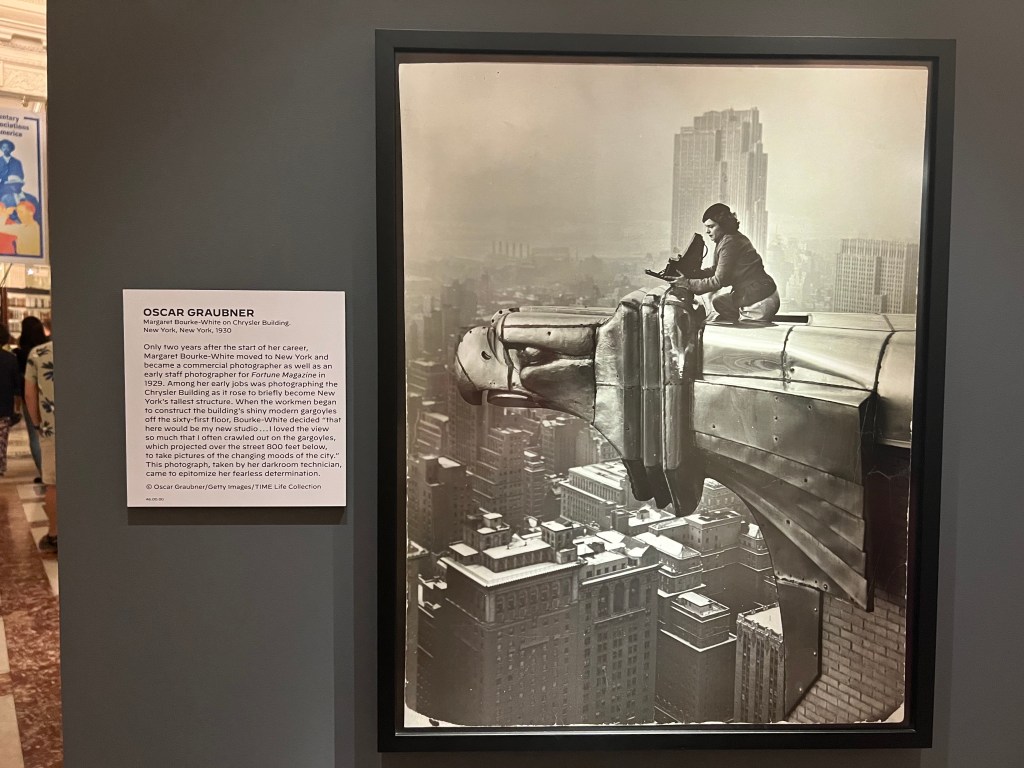
Oscar Graubner, 1930
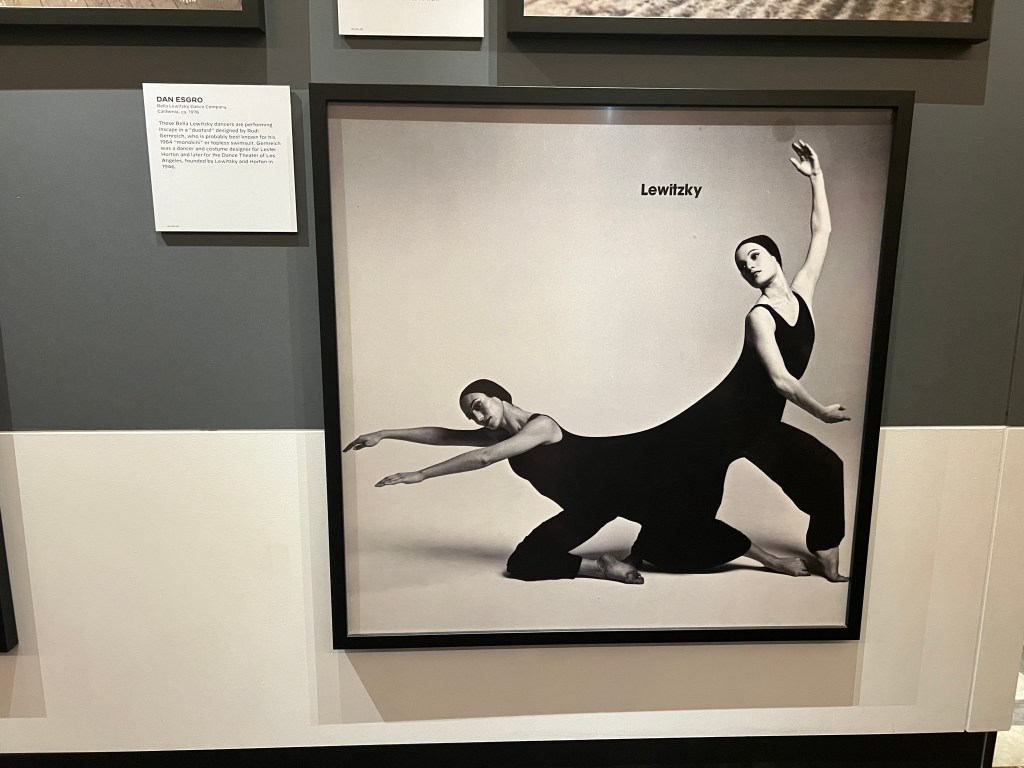
Dan Esgro, 1976
The “cherry on top” of the Soul of Tengri programming was the fashion show held at the Freer Gallery of Art (one of Smithsonian’s two Asian art galleries that together form the National Museum of Asian Art). There was a cocktail and sushi reception in the picturesque 1920s Florentine revival-style courtyard.


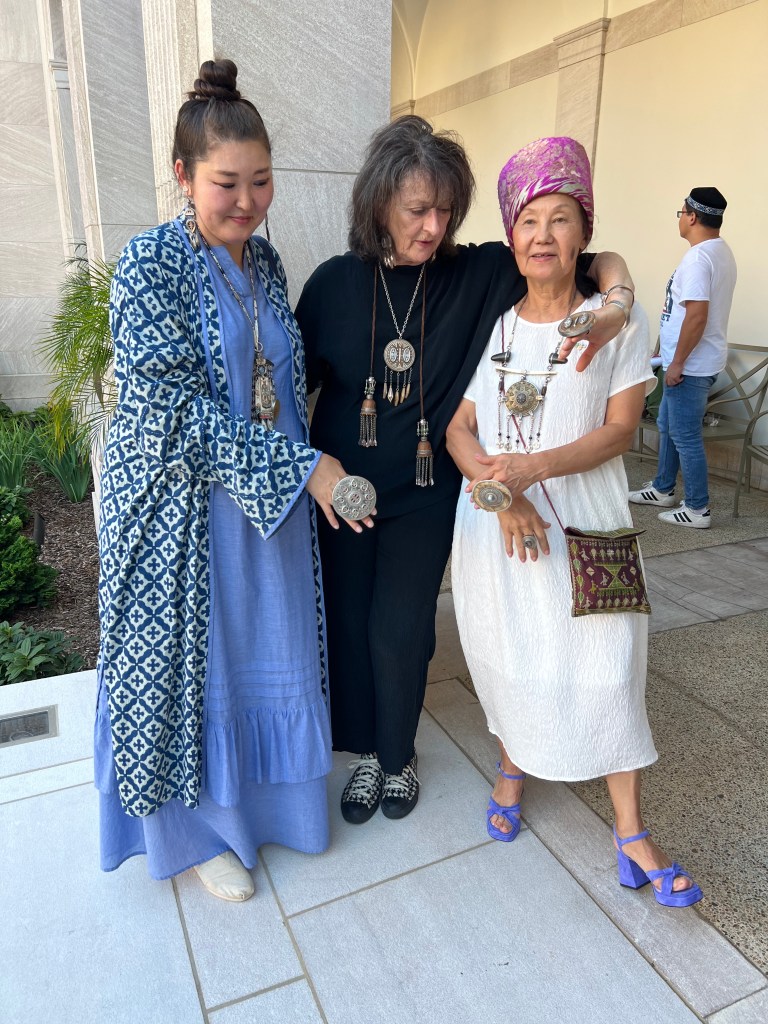
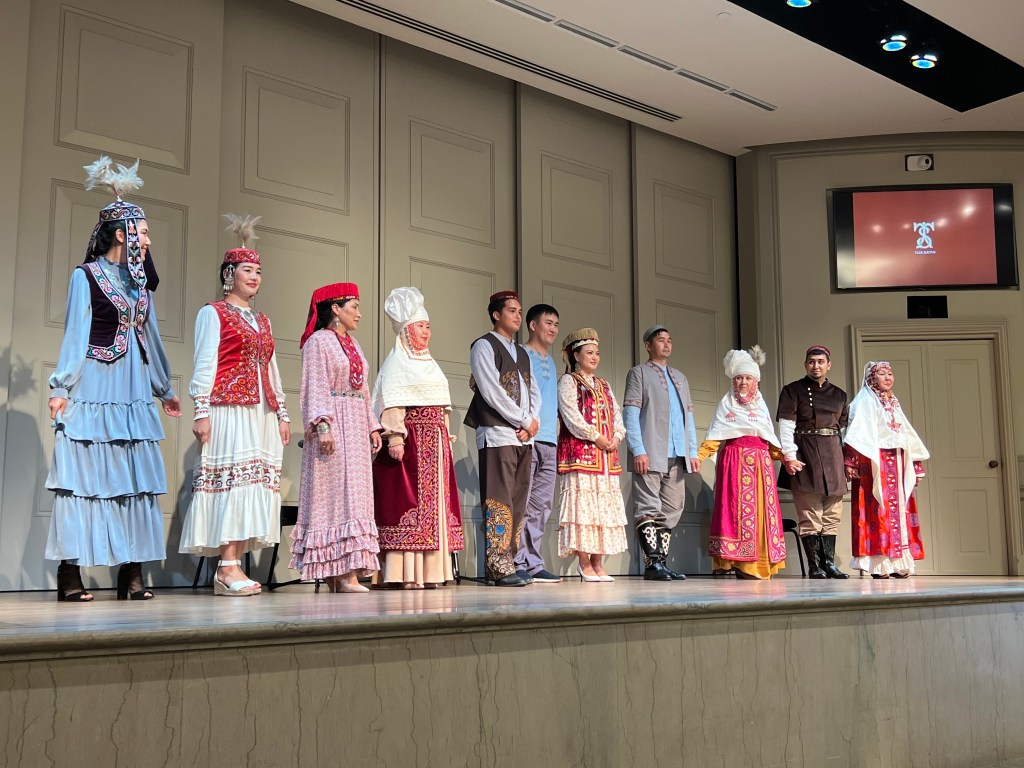
The fashion show was a dazzling display of tradition mixed with creativity. The three collections were that of Tilek Sultan, Aizhan Sembiqaliyeva and Aizhan Bekkulova!


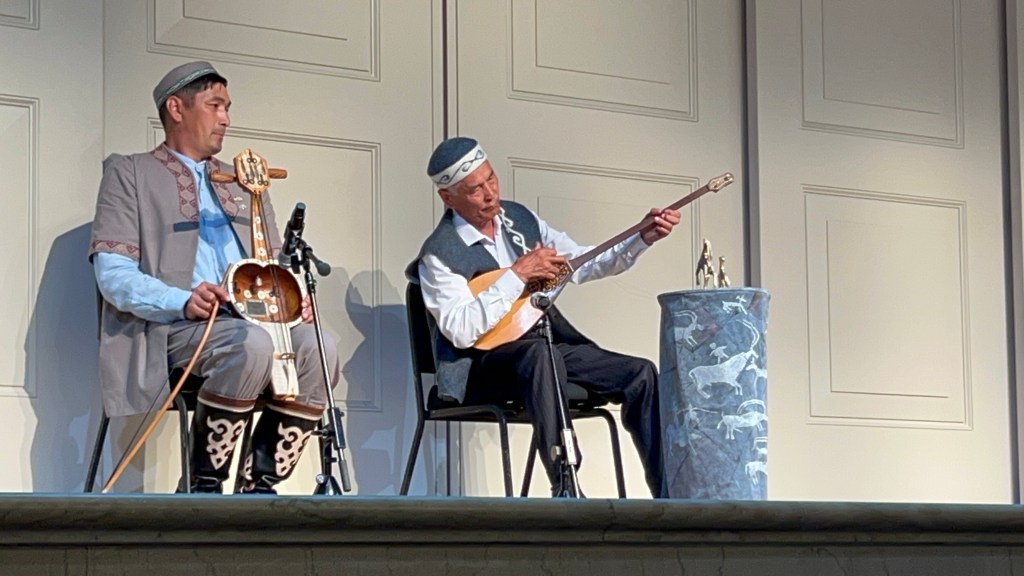
The show was followed by individual performances from Dauren Minsharipov and Zholaushi Turdugulov who are not only great musicians but master instrument craftsmen. Turdugulov even orchestrated traditional “steppe theater” while playing his dombra, pictured below.
More info about the artisans and their work can be found here.
Wednesday, July 12…
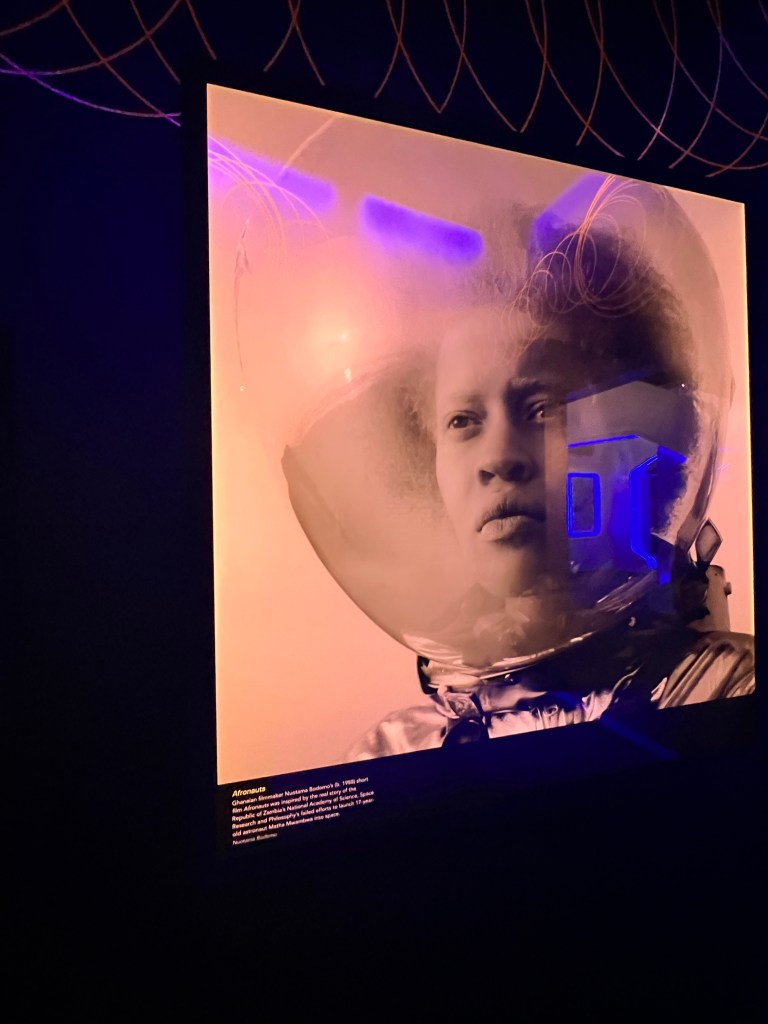
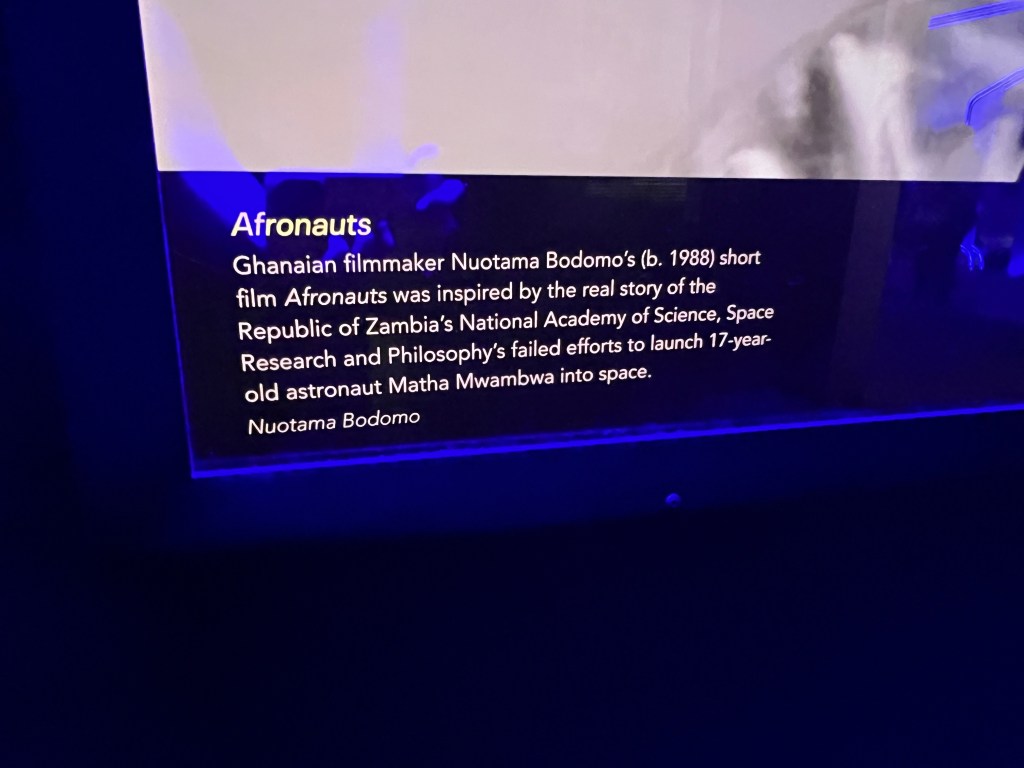
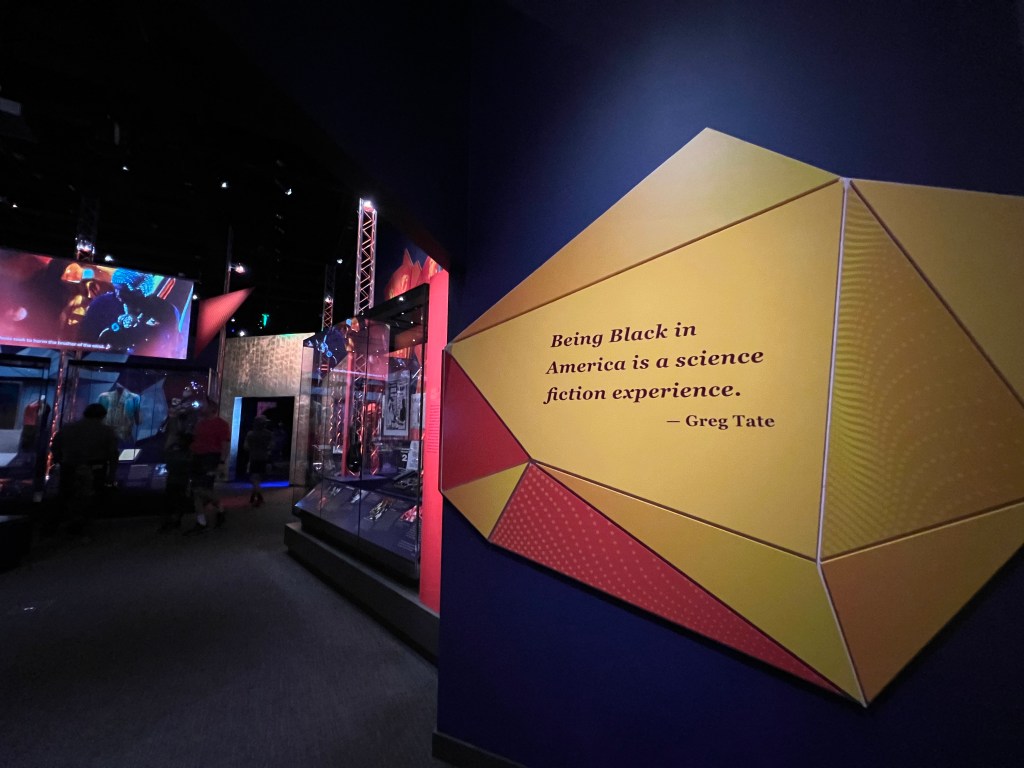
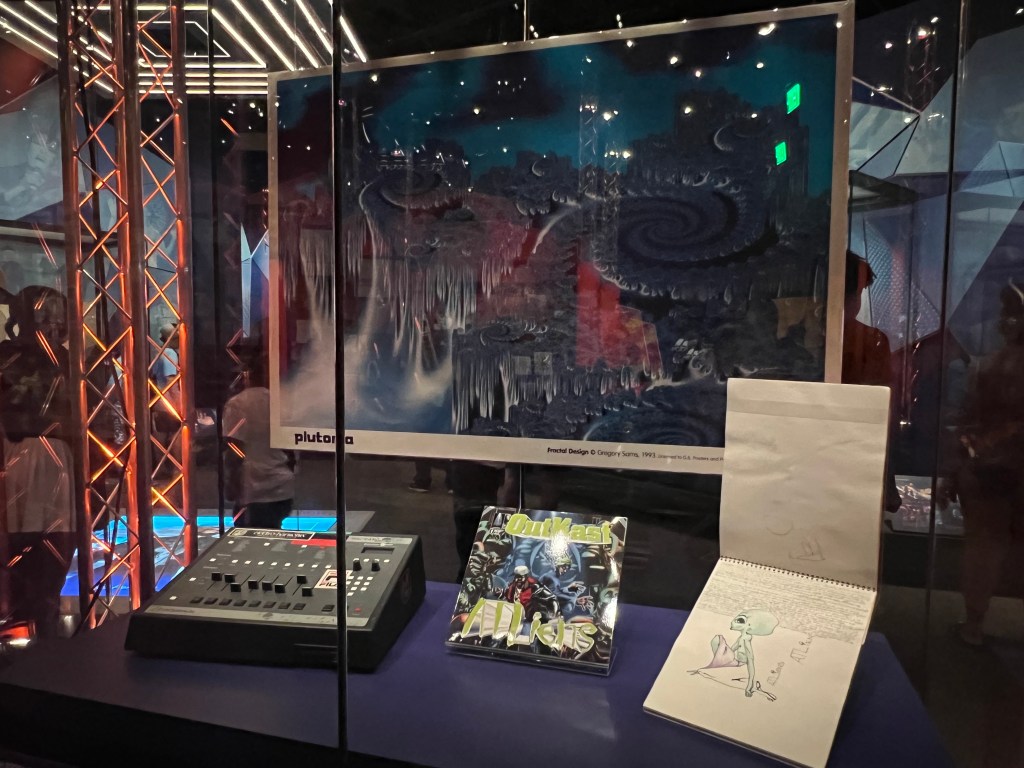
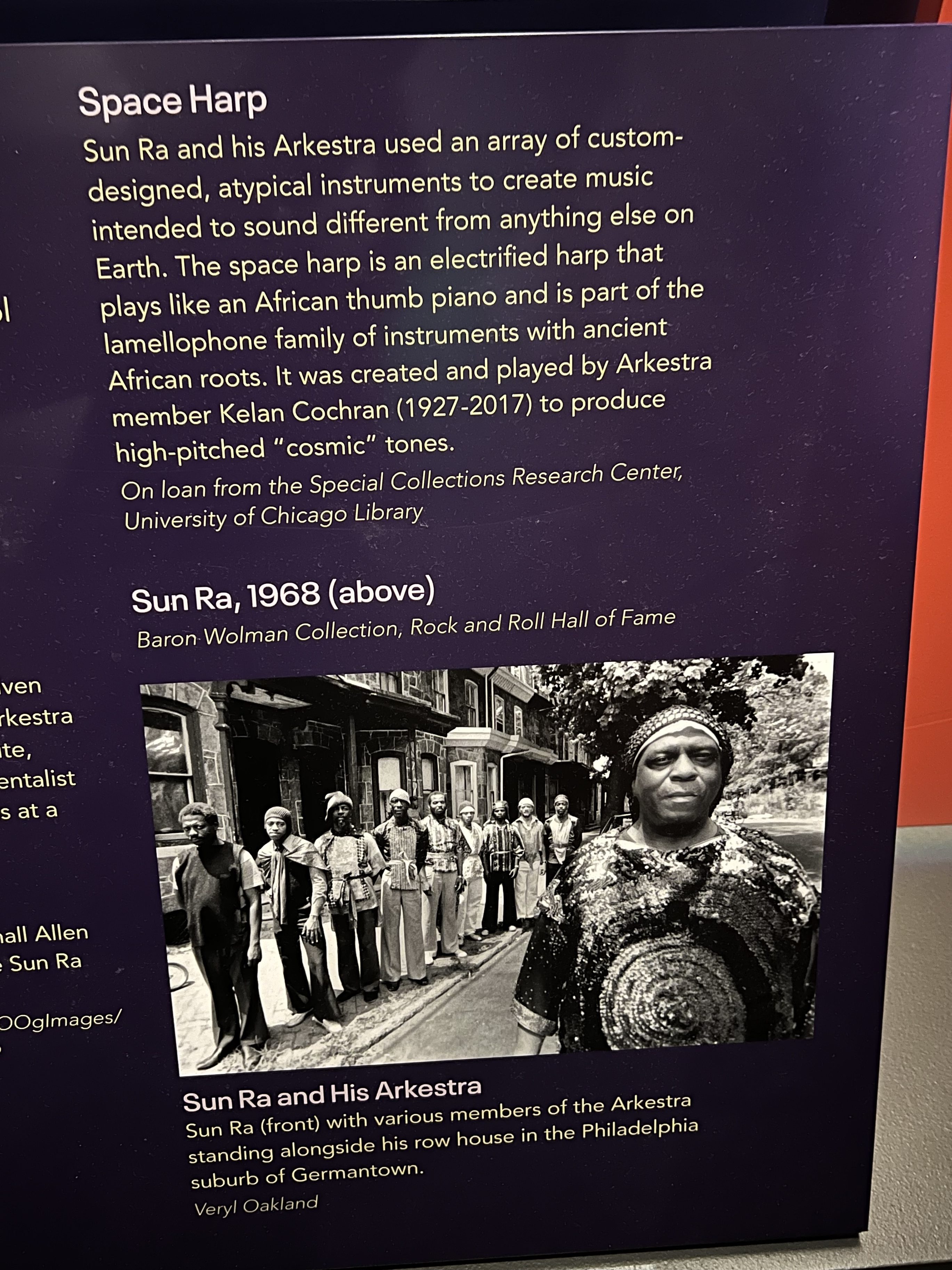
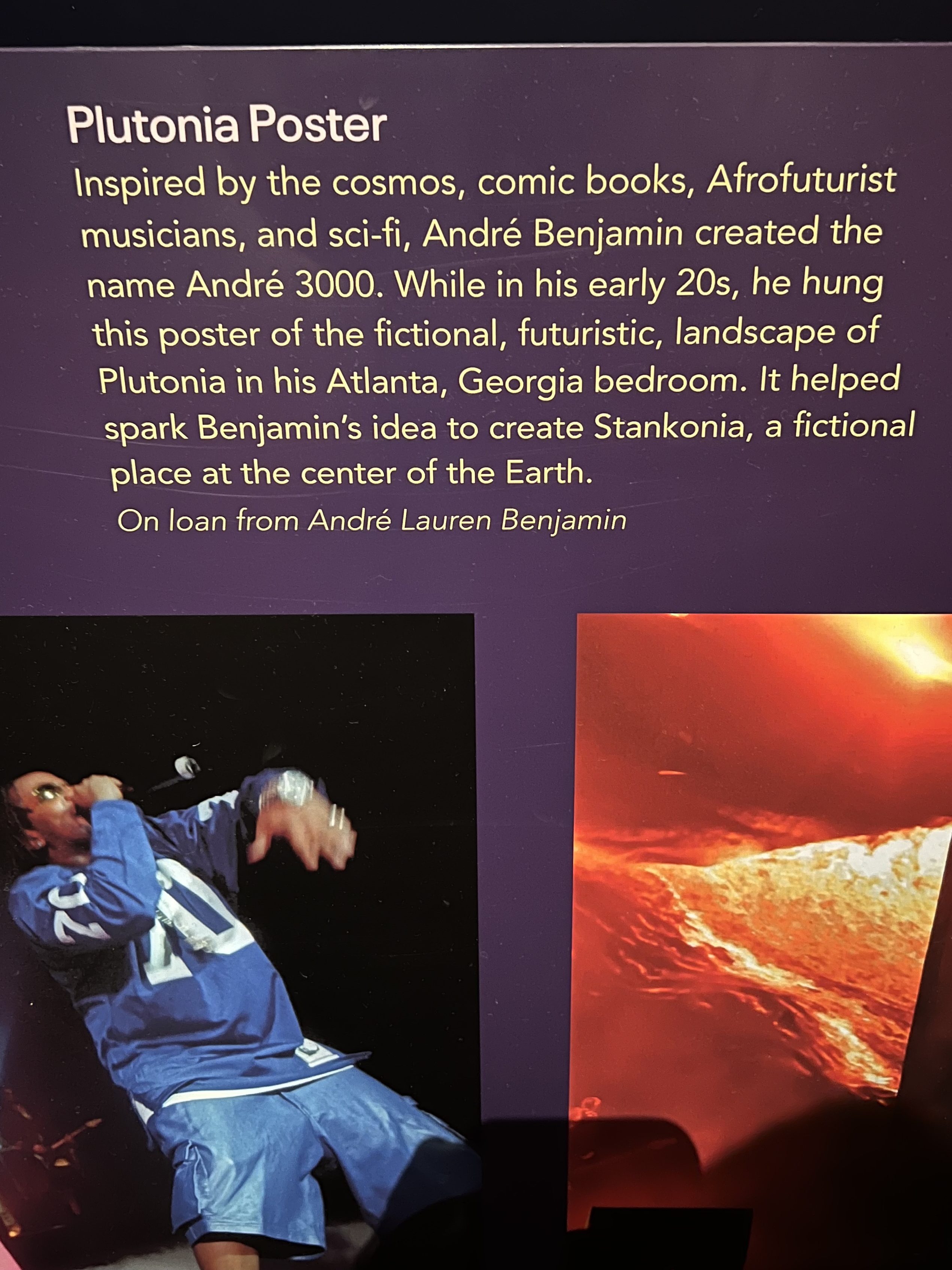
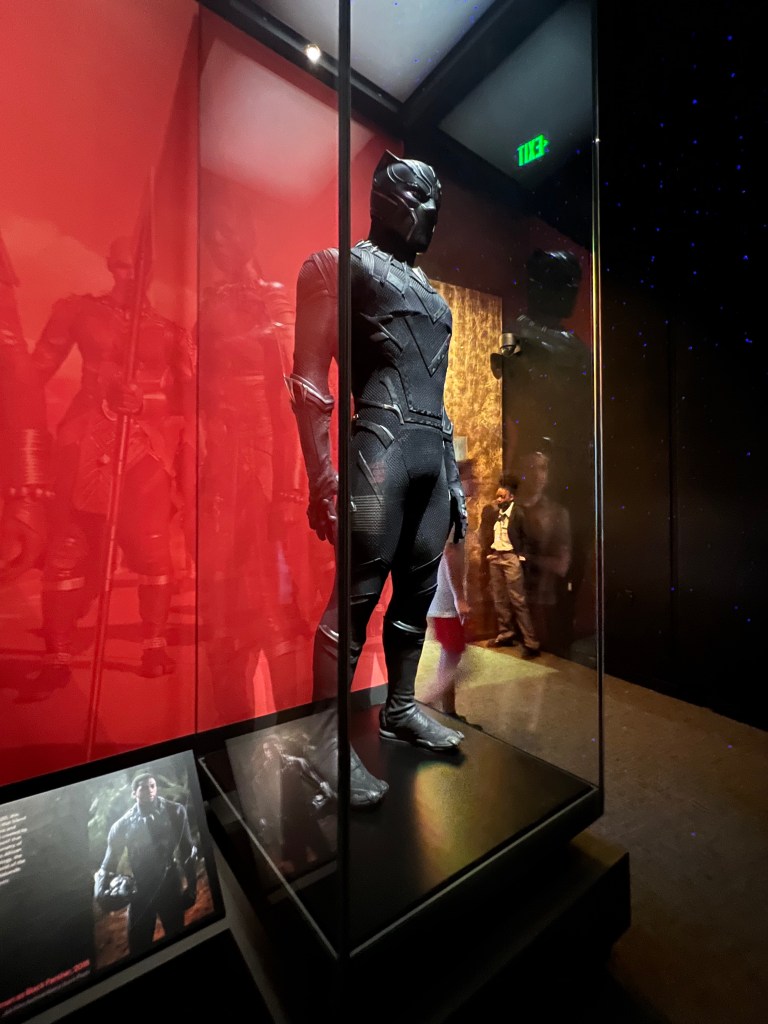
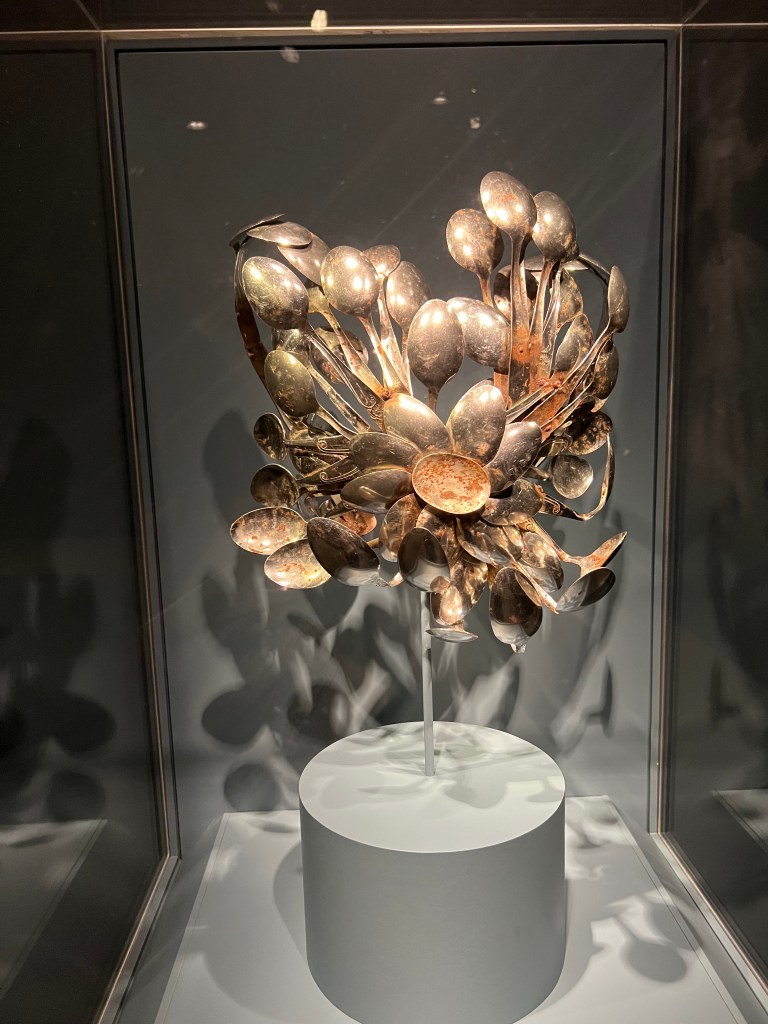
This was the final day in DC and we filled it with visiting three different museums – the National Museum of African American History & Culture, the National Museum of African Art and the Hirshhorn Museum. I’ll let the pictures speak for themselves…




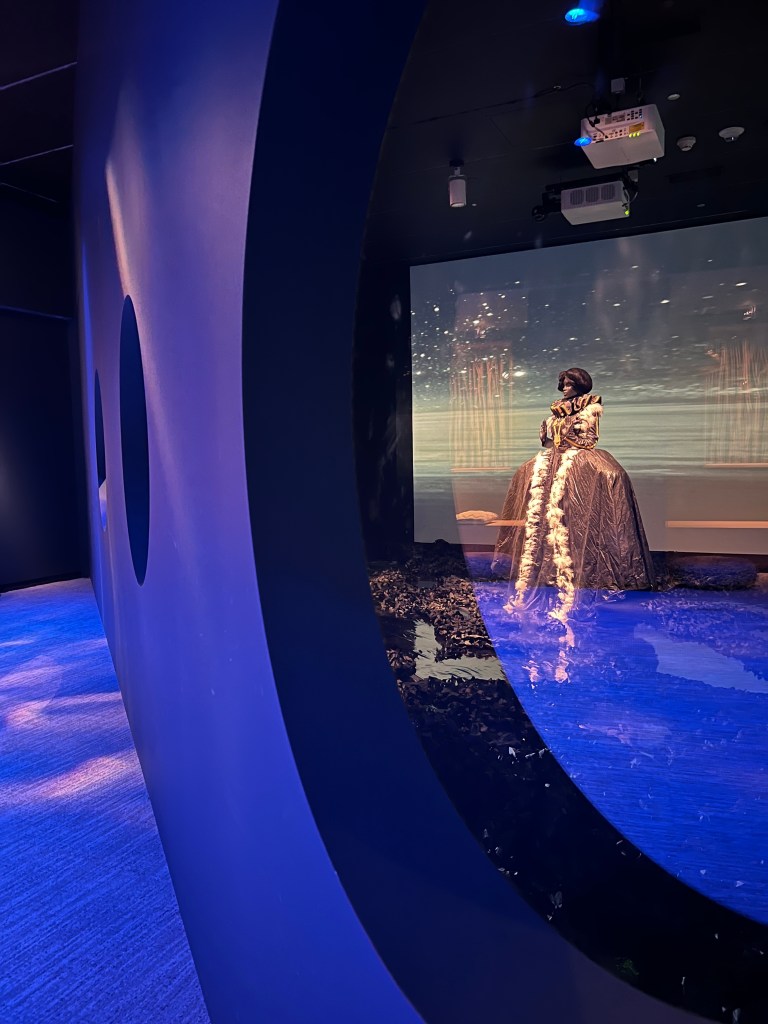

From the exhibition text, “Purple … paints a riveting portrait of our planet in the era of climate change. Across six screens, Akomfrah tells the story of the Anthropocene, the present geological age, in which humans have massively reshaped the environment. The artist shot footage in Alaska, French Polynesia, Greenland, and other ecologically fragile locations, capturing anonymous figures posed in striking landscapes. He intercut these meditative scenes with archival images of oil rigs, coal mines, and polluted lakes as well as factory labor, political movements, and human birth and death.”
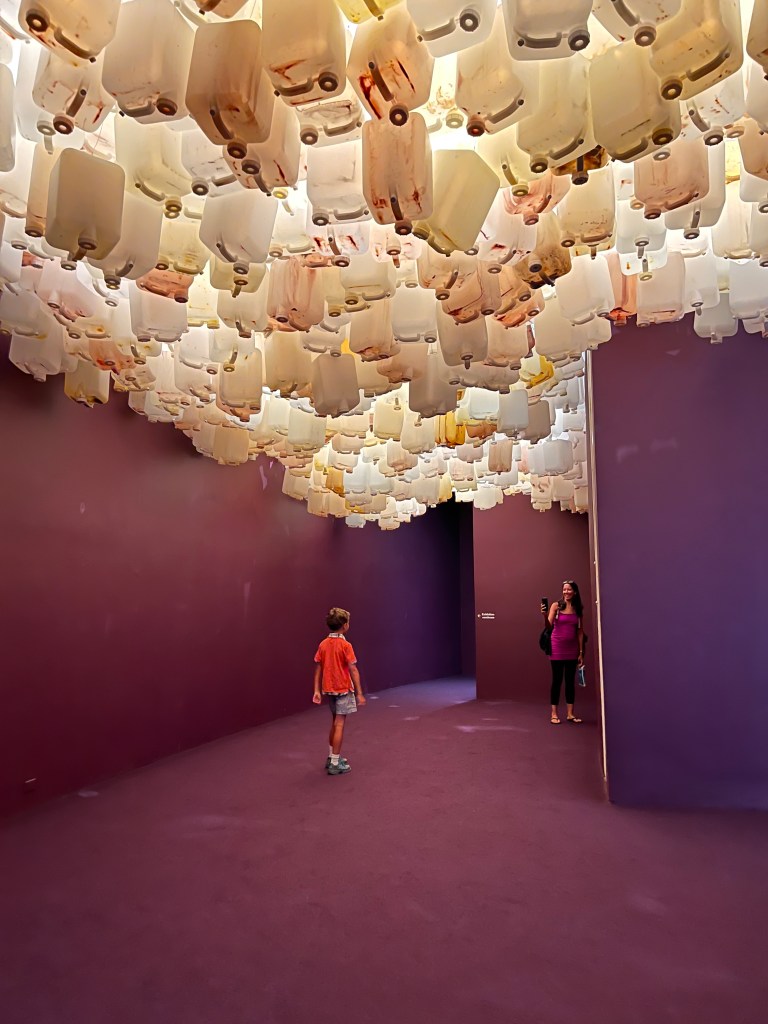
These type of artworks can be impactful in the way they really hit you with the imagery, the drama, walking away wanting to “do something about it” … but sometimes I feel they fall short on the “well what can I do” piece. While I don’t expect art to offer all the solutions, I do think we are at such a critical point with climate change that we can no longer afford to look at this kind of content and simply move on. But what can you do?
It wasn’t my intention to end this post on such a heavy note but I think this ultimately brings everything full circle.
Why textiles? Why felt? Why natural fibers?
Because we are living on borrowed time. The earth has already given us so much, so freely and asked nothing in return. The answers lie in looking to nature as a teacher, melding the past with the present, and indigenous wisdom with the technology of today. It is time for us to reciprocate the gifts that got us this far in the first place.
“[The ceremonies] were just part of our life among the lakes. But their rhythm made me feel at home and [it] drew a circle around our family. By those words we said ‘Here we are,’ and I imagined that the land heard us – murmured to itself, ‘Ohh, here are the ones who know how to say thank you.’ … That, I think, is the power of ceremony: it marries the mundane to the sacred. The water turns to wine, the coffee to a prayer. The material and the spiritual mingle like grounds mingled with humus, transformed like steam rising from a mug into the morning mist. What else can you offer the earth, which has everything? What else can you give but something of yourself? A homemade ceremony, a ceremony that makes a home.”
From Braiding Sweetgrass by Robin Wall Kimmerer
 Tides & Textiles